

Introduction: A High-Stakes Chase on the High Seas
U.S. Coast Guard Short on Forces to Execute Venezuela Tanker Seizure, Sources Say. The United States Coast Guard is in active pursuit of a sanctioned Venezuelan-linked oil tanker in international waters near Venezuela — a situation that has rapidly gained global attention. This pursuit would mark the third such interception attempt in less than two weeks, highlighting the growing intensity of U.S. maritime enforcement efforts against vessels accused of evading U.S. sanctions.
But behind the headlines lies a deeper story about international sanctions, maritime law, resource constraints, and geopolitical tension. In this article, we’ll explore this unfolding operation, why the Coast Guard is stretched thin, and what all of this means for global energy markets and international relations.
What’s Happening on the Seas? The Pursuit of a Sanctioned Tanker
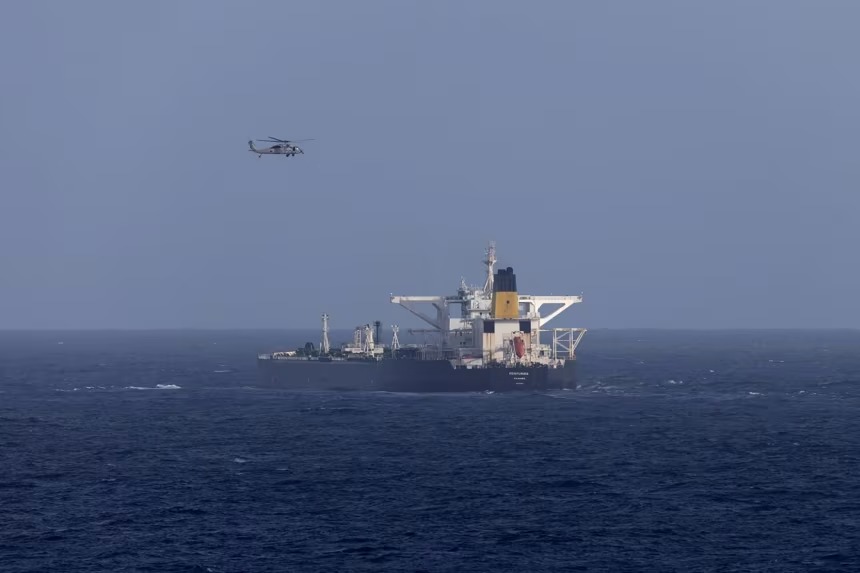
According to multiple sources, including Reuters, U.S. officials say the Coast Guard is actively pursuing another oil tanker believed to be part of what the U.S. calls Venezuela’s “illegal sanctions evasion” operations.
Officials have described the vessel as:
- Sanctioned by the U.S. Government
- Part of the so-called “dark fleet” that helps countries evade sanctions
- Flying a false flag, meaning it’s registered under questionable or misleading documentation
- Under a judicial seizure order from U.S. courts.
This chase would represent the third tanker interception attempt in under two weeks. Previously, U.S. forces successfully seized two other tankers linked to Venezuelan oil — Skipper and Centuries — in the Caribbean Sea.
Meet the Tanker: Bella 1
Maritime risk analysts and industry sources have identified the tanker being pursued as Bella 1.
Here’s what we know about Bella 1:
- It’s a very large crude oil carrier
- It was added to the U.S. sanctions list by the Treasury Department
- It has previously transported oil linked to Iran, another heavily sanctioned country
- It refused boarding by the Coast Guard, prompting the current pursuit.
- In plain English: the ship is accused of helping move oil between sanctioned nations, using loopholes like false flags and obscure ownership structures to avoid detection. That’s exactly the kind of vessel the U.S. government wants to disrupt.
Why the U.S. Coast Guard Is Involved
You might wonder: Why is the Coast Guard chasing oil tankers in the Caribbean?
The answer lies in the Coast Guard’s unique legal authority.
Unlike the U.S. Navy, which handles military operations, the U.S. Coast Guard has law enforcement powers at sea. That means:
- It enforces U.S. sanctions laws
- It executes judicial seizure orders
- It intercepts vessels violating U.S. law on the high seas.
However, sources now report that the Coast Guard is short on forces equipped to carry out complex tanker seizures.
Specifically, it does not currently have enough Maritime Security Response Teams (MSRTs) — elite units trained and equipped to board and secure large vessels at sea — ready for this kind of high-risk operation.

What’s Straining the Coast Guard? A Resource Challenge
Here’s where things get interesting (and a bit serious):
Despite a substantial U.S. military presence in the Caribbean, the Coast Guard itself is stretched thin.
Multiple missions — including drug interdiction, search and rescue, immigration enforcement, and these sanctions enforcement operations — are placing unprecedented demand on personnel and specialized teams.
Admiral Kevin Lunday, the Commandant of the Coast Guard, has openly warned that the service is in its worst readiness state since World War II unless funding and personnel levels improve.
In other words, this is not a case of Coast Guard laziness — it’s a case of mission creep meeting limited resources.
The Bigger Picture: U.S. Sanctions on Venezuelan Oil
To understand why these missions matter, we need context.
The United States has sanctioned Venezuela’s oil sector for years, seeking to cut off revenue to the Maduro government. Venezuela relies heavily on oil exports to fund its economy, and Washington claims that some of that oil money fuels corruption and criminal networks.
In response, Venezuela and its partners have developed a shadow fleet — a set of vessels that obscure ownership, turn off tracking signals, or use false flags to move oil covertly.
These tactics allow Venezuela to keep exporting oil, especially to buyers like China, despite sanctions. That explains why enforcement missions have become more frequent and more aggressive.

International Response and Tension
These Coast Guard operations have sparked international debate.
Venezuela’s Reaction
Venezuelan officials have condemned the tanker seizures and pursuit as violations of international law — even calling them acts of piracy.
In response, Venezuela’s legislature passed laws to criminalize foreign seizures and blockade-style actions against its oil exports, imposing prison terms of up to 20 years for people or entities that aid such acts.
That’s a strong countermeasure and signals Caracas’s determination to fight back diplomatically on the world stage.
Global Diplomatic Reactions
Countries such as China have also criticized U.S. seizures, suggesting they violate international maritime norms.
At the United Nations, the U.S. has defended its actions as legal enforcement of sanctions and measures aimed at combating transnational criminal networks. Critics counter that unilateral enforcement raises questions about sovereignty and international maritime law.
So yes — this isn’t just about an oil tanker. It’s a global debate on the limits of power, law, and enforcement at sea.
Will This Pursuit End in a Seizure?
That’s the big question.
As of the latest updates:
The tanker Bella 1 has not yet been boarded.
The Coast Guard has not abandoned pursuit, but is waiting for reinforcements.
If seized, it would mark another escalation in U.S. efforts to choke off sanctioned oil exports.
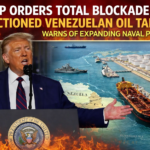
President Trump and his administration have signaled they expect success, publicly stating confidence that the vessel will be captured.
But whether that happens soon — or with legal challenges and diplomatic pushback — remains to be seen.
Is This Legal? The International Law Angle
It’s worth addressing the elephant in the room: Can the U.S. legally seize a foreign-flagged oil tanker on the high seas?
This is not just an academic question. Some maritime law experts argue that:
- The U.S. must have clear judicial authority — which it does through seizure orders
- The vessel must be involved in illegal or sanction-violating activity
- Actions must not violate conventions like the United Nations Convention on the Law of the Sea (UNCLOS)
Critics argue that even if a ship violates sanctions imposed by one country, it doesn’t automatically justify physical seizure unless other legal standards are met.
Supporters of the operations say that sanction enforcement is lawful when backed by court orders. The truth is that international law in this domain is complex and subject to interpretation.
One thing is certain: these operations have raised debates in legal and diplomatic circles around the world.

Sea Change: Geopolitics, Oil Markets, and Beyond
Beyond law and military force, there’s a broader impact:
Energy Markets
Venezuela’s oil reserves rank among the largest in the world. Restricting its ability to export crude can impact global oil flows and prices — especially if clandestine trade routes are disrupted.
Meanwhile, companies like Chevron continue to operate in Venezuela under legal exemptions, muddying the market picture.
Regional Stability
Heightened U.S. enforcement near Venezuela — including blockades and multiple tanker interventions — risks escalating tensions in the Western Hemisphere.
Some regional governments support the U.S. stance, while others view it as overreach. It’s a dynamic geopolitical chessboard with energy security, national sovereignty, and international law all at play.
Conclusion: More Than Just a Chase
What started as a single news headline — U.S. Coast Guard chasing a tanker near Venezuela — has unfolded into a complex, multi-layered geopolitical story.
It involves:
Enforcement of sanctions and international law
Resource limitations within the U.S. Coast Guard
Geopolitical tension between major global powers
Debates about legality, maritime sovereignty, and economic impact
And yes — despite the drama, it’s also a moment of irony. A small service branch known for rescuing sailors and running drug interdictions now finds itself at the center of international maritime enforcement — a role it was not fully prepared for.
If nothing else, this operation reveals how interconnected national security, energy markets, and international law have become.
And in a world of ever-shifting alliances and sanctions, you can bet the next twist in this story is already on the horizon.